home | past events | wednesday meetings | IAH kinema | books 2010-2025 | contact |


Conferences, symposiums, colloquia, book launches
2026
2025
Researches on Romanian medieval and premodern art, 21th ed., G. Oprescu Institute of Art History & The National Museum of Art of Romania, 25-26 September 2025
See also our YouTube channel!
International conference
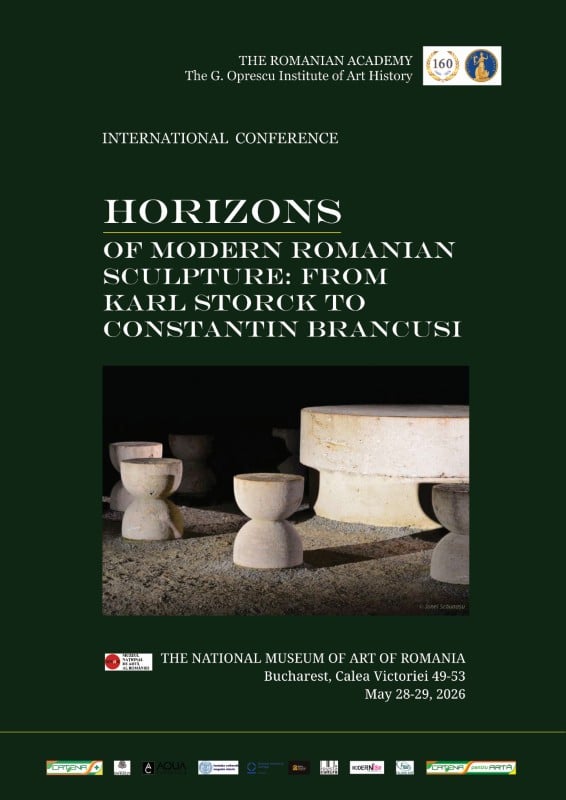
The G. Oprescu Institute of Art History is honoured to announce the international conference Horizons of Modern Romanian Sculpture: from Karl Storck to Constantin Brancusi. The event will take place between May 28-29, 2026, in the splendid setting of the Royal Dining Room at the National Museum of Art of Romania and will also be accessible via live broadcast on Zoom.
The year 2026 marks a triple symbolic celebration for the Romanian and universal cultural heritage: 150 years since the birth of Constantin Brancusi, the bicentennial of the birth of Karl Storck, and the centennial of the death of Carol Storck. The conference proposes a rigorous investigation of modern sculpture, starting from the double genealogy of these major figures: from the moment of the institutionalization of the national school of sculpture under the aegis of the Storck family in the late 19th century and the neoclassical period, to the Brancusian artistic revolution, which radically reconfigured the universal visual language through the technique of direct carving (taille directe) and the essentialization of form.
The conference organizers have designed a broad framework for the debates that offers participants the opportunity to discuss the most recent theoretical directions regarding the study of Romanian and universal sculpture, to share information and research experiences, structured around several broad themes, including: Institutionalization of Sculpture, Modernity and Archaism, The Paradigm of Constantin Brancusi’s Work, Transfers and Influences, Artistic Genealogies, Women Sculptors.
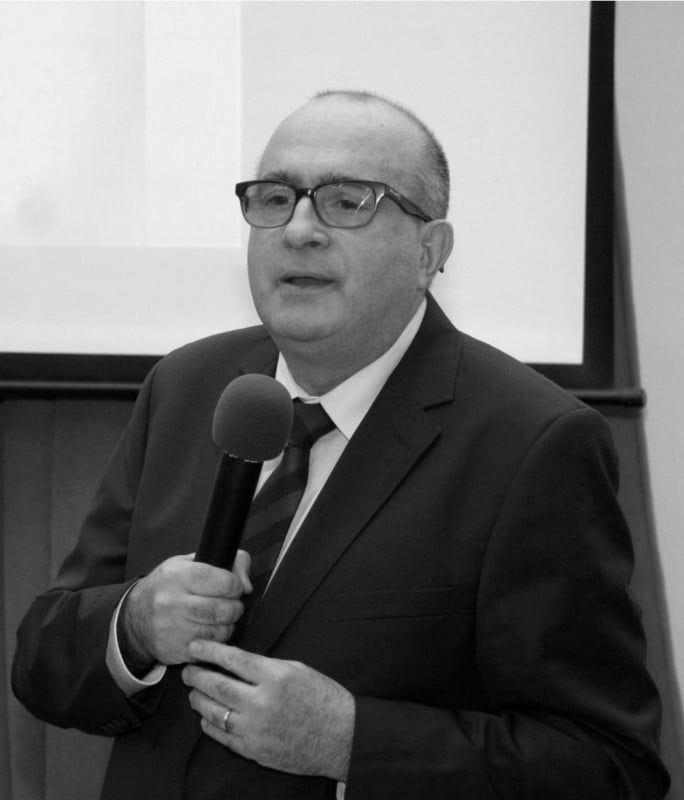
The event will bring together 27 papers presented by prestigious specialists from around the world, creating a space for interdisciplinary dialogue. Over the two days of the conference, three prominent figures in contemporary art historiography will deliver plenary lectures: Dr. Doina Lemny: A Gift for “Brancusi Year” – A Unique Collection of Original Photographs; Dr. Jonathan Vernon: Brancusi: Limits and Contradictions; Dr. Cristian-Robert Velescu: Constantin Brancusi, trois Muses endormies. Identification et approche iconologique : La Muse Rumsey, La Muse Guggenheimer, La « Pseudo-Muse Guggenheimer ». La « part » d’Erik Satie.
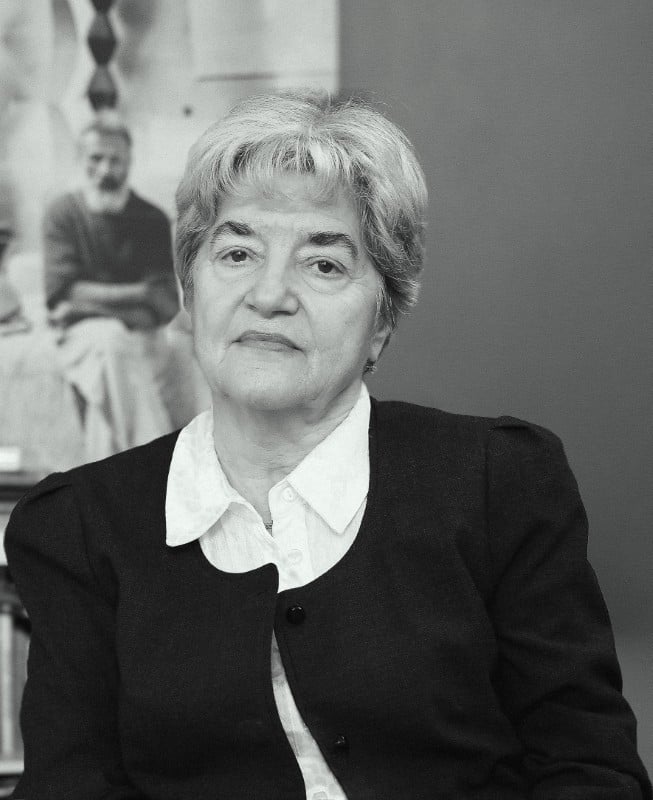
Doina Lemny is an art historian and honorary curator at the Musée National d’Art Moderne – Centre Pompidou, Paris. She has curated numerous exhibitions dedicated to Constantin Brâncuși, including Brancusi. Sublimation of Forms (Bozar, Brussels, 2019), Brancusi: Romanian Sources and Universal Perspectives (Timișoara Art Museum, 2023) and Brancusi: Sculpting with Light (International Cultural Center, Krakow). She is the author of several reference works dedicated to Constantin Brâncuși.
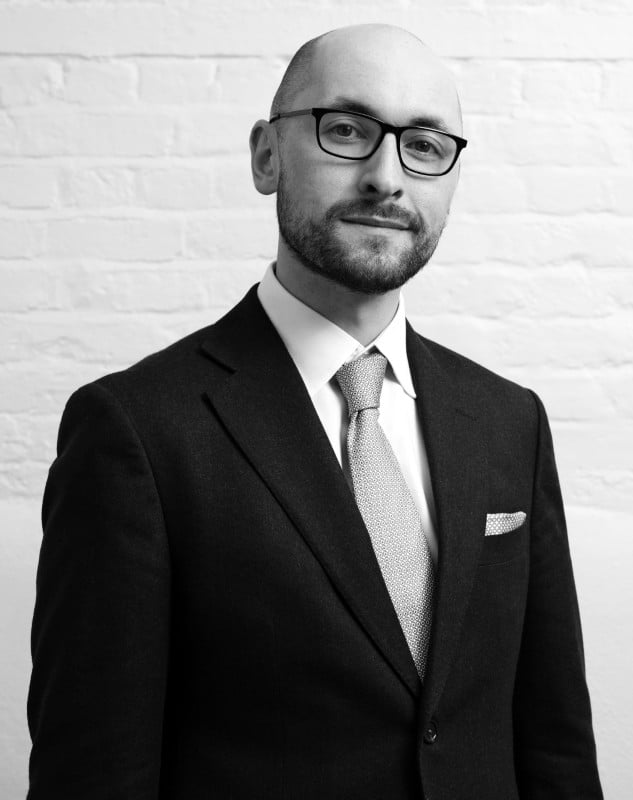
Jonathan Vernon is an art historian, specializing in modernism, sculpture and philosophy. He is the chairman of the scientific committee of the 150th anniversary conference Brancusi: The Philosophy of Form, organized by the University of Târgu Jiu and the City Hall of Târgu Jiu, in partnership with Kettle’s Yard, University of Cambridge, to be held in October 2026. He was an Associate Lecturer at The Courtauld and a Ridinghouse Contributing Editor at The Burlington Magazine. He is currently working on a volume entitled Brancusi in the Rose Garden.
Cristian-Robert Velescu is an art historian and critic, former professor at the National University of Arts in Bucharest. His work is devoted to European modernity and the historical avant-garde, with numerous volumes dedicated to Constantin Brâncuși, Marcel Duchamp, Victor Brauner and early twentieth-century art, including Rodin, Meunier, Brâncuși and classical culture (2016) and Pre-avant-garde and avant-garde, kaleidoscopic transformations in the art of the early 20th century (2022). He has also curated important exhibitions and published articles and studies in international journals.
The event is organized by the Department of Visual Arts and Architecture. Modern Period of the Institute of Art History "G. Oprescu" in partnership with the National Museum of Art of Romania / Muzeul Național de Artă al României and is supported by: Catena, AQUA Carpatica and Domeniile Sâmburești.
Media partners: Fundația Culturală Magazin Istoric, Revista Cultura, Modernism.ro, Radio România Cultural, Institutul Național al Patrimoniului.
Photo credit poster: © Ionel Scaunasu, The Table of Silence, Târgu-Jiu (detail)
Zoom meeting:
Horizons of Modern Romanian Sculpture: from Karl Storck to Constantin Brancusi
Join meeting link (reccurent): https://us06web.zoom.us/j/82032881149?pwd=WbighA7WwjFzFc3P2qScu8FFvGaiRV.1
Passcode: Brancusi
Time: May 28, 2026 09:30 AM – 5.30 PM, Bucharest time
May 29, 2026, 09:30 AM – 3 PM, Bucharest time
International conference (call for papers)
The international conference
Horizons of Modern Romanian Sculpture: from Karl Storck to Constantin Brâncuşi
Extended deadline: March 1, 2026
– call for papers –
Bucharest, May 28-29, 2026
New book releases
.jpg)
DANA JENEI
Renaissance in Transylvania. The Painting (c. 1500–1650), București: Oscar Print, 2025, 248 p., 164 illustrations
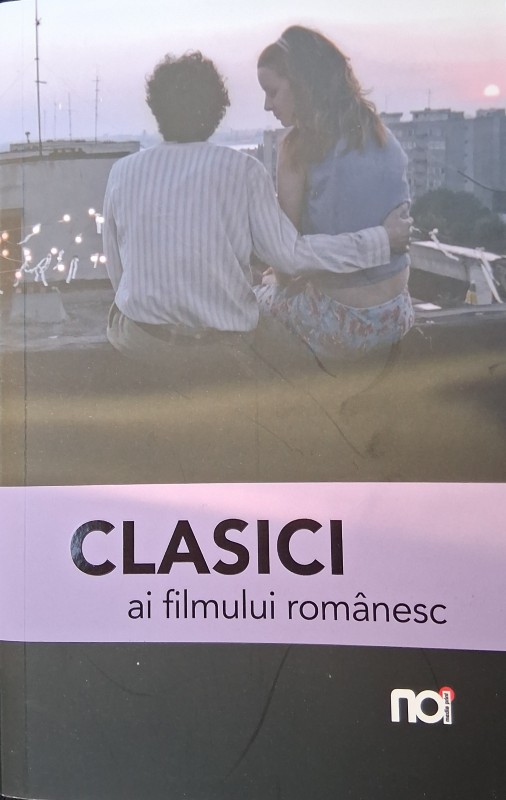
Clasici ai filmului românesc, ed. by Dana Duma, Stephan Krause and Anke Pfeifer, București: Noi Media Print, 2025, 300 p., 42 black and white illustrations
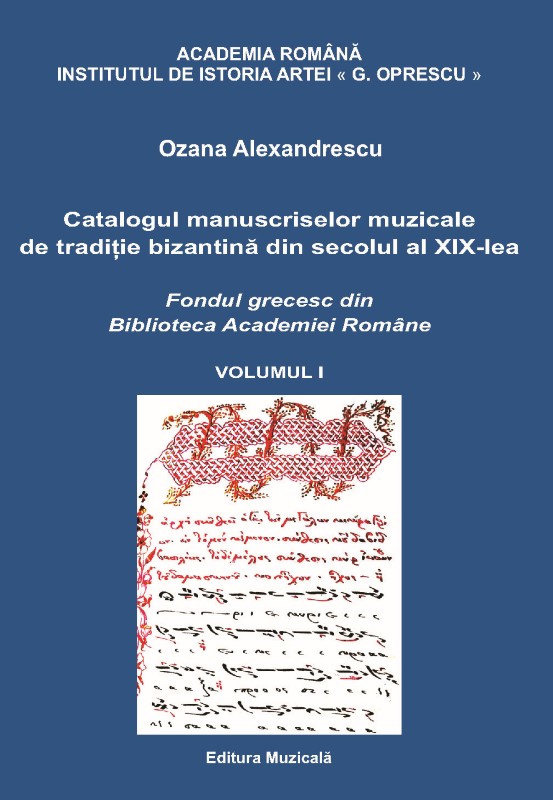
OZANA ALEXANDRESCU
Catalogul manuscriselor muzicale de tradiţie bizantină din secolul al XIX-lea. Fondul grecesc din Biblioteca Academiei Române, Vol. I, Bucureşti: Editura Muzicală, 2025, 255 p.
Icons In-Between: Eastern Christian Art from Border Regions. Belarus, Ukraine, Romania, Western Balkans, Greece, exhibition catalogue, ed.: Liliya Berezhnaya, Recklinghausen Icon Museum, 2025, 134 p.
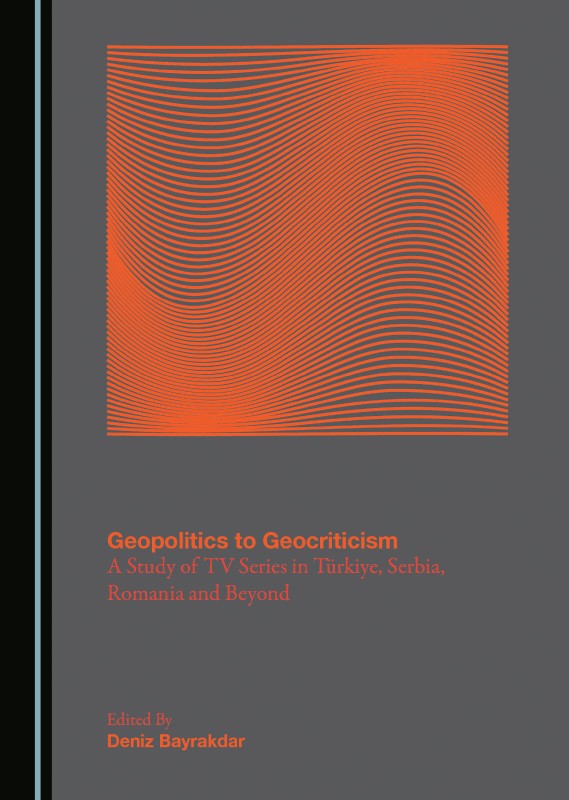
Geopolitics to Geocriticism: A Study of TV Series in Türkiye, Serbia, Romania and Beyond, editor: Deniz Bayrakdar, Cambridge Scholars Publishing, 2024, 369 p.
Other news
Due to the partnership between G. Oprescu Institute of Art History and the National Institute of Heritage, several old issues of the journal Studii și cercetări de istoria artei, series Artă plastică and Teatru, Muzică, Cinematografie (link), as well as issues of Revue Roumaine d'Histoire de l'Art (link), were digitised and made available online. The journal issues are hosted on the "Digital Library of Cultural Publications" (link).
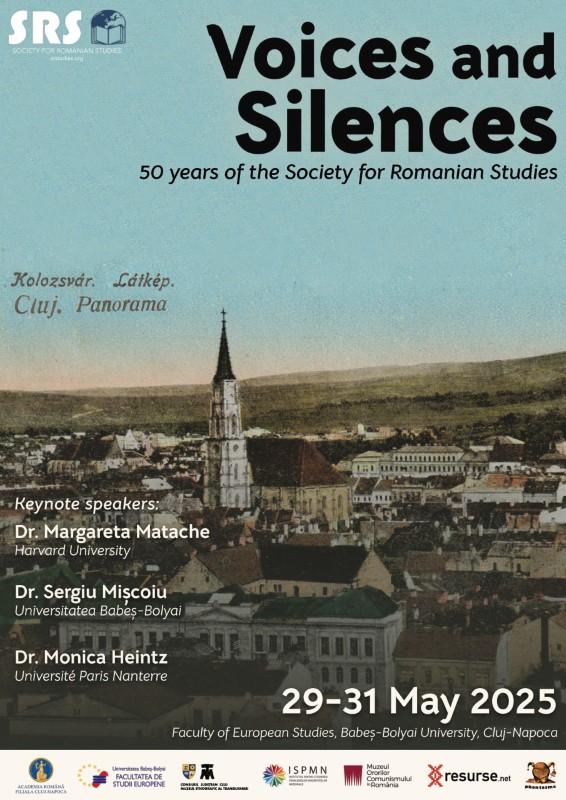
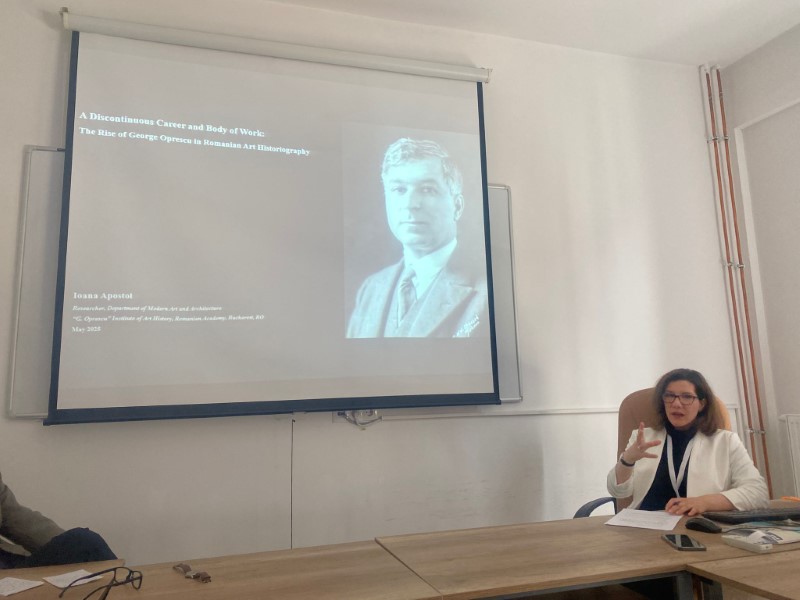
Dr. Ioana Apostol, researcher at the G. Oprescu Institute of Art History, participated in the international conference Voices and Silences: 50 Years of the Society for Romanian Studies, held in Cluj-Napoca, between 29 and 31 May, 2025, in collaboration with Babeș-Bolyai University (Faculty of European Studies).
The Society for Romanian Studies is an international academic association founded in 1973 that brings together specialists from various fields of the humanities and social sciences concerned with the study of the Romanian space. The 2025 anniversary edition had, as its central theme, voices and silences in Romanian studies, offering a broad framework for the analysis of Romanian culture and society through themes that included the memory of repressive regimes, the identity of minorities during the communist period, the history of labour and trade unions, and new perspectives on Romanian cinema. The programme included keynote conferences, thematic sessions, film screenings, and literary salons.
During the conference, Dr. Ioana Apostol gave the talk A Discontinuous Career and Body of Work: The Rise of George Oprescu in Romanian Art Historiography, in the panel entitled "Romanian Art Historiography in the 20th Century: Continuities, Fractures, and Ideological Reconfigurations", organized under the aegis of the Balkan History Association, with the support of the G. Oprescu Institute of Art History. The session was moderated by prof. univ. dr. Radu Mârza and investigated the impact of political and ideological changes on Romanian art historiographical discourse in the 20th century, focusing on the continuities and fractures generated by the interwar and postwar context. Also presenting in this panel were prof. univ. dr. Vlad Țoca (The Shaping and Metamorphosis of the Canon of the History of Romanian Art during the 20th Century) and lect. univ. dr. Roxana Modreanu (The Middle of the 20th Century: Turning Points in Romanian Art Historiography).
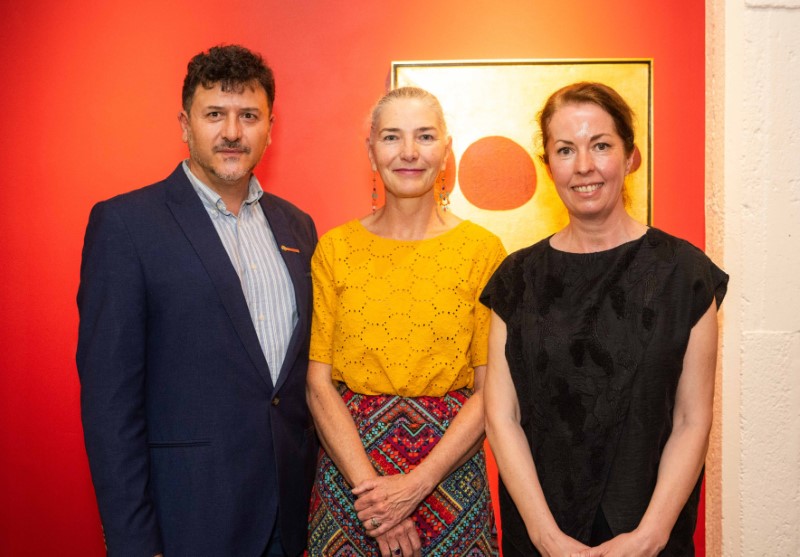
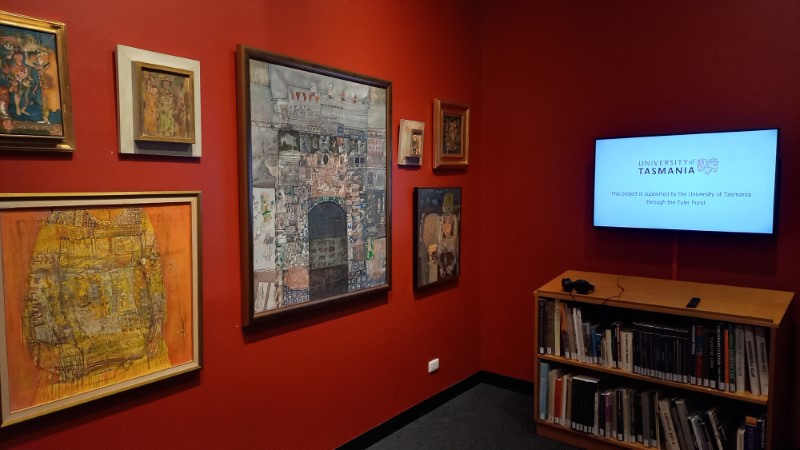
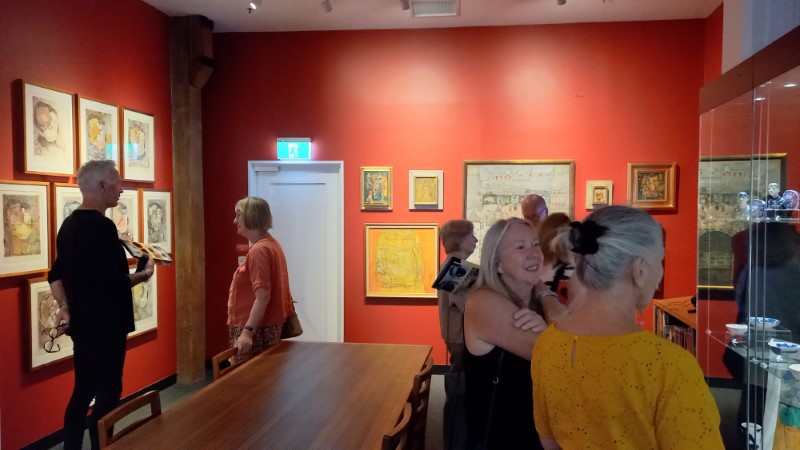
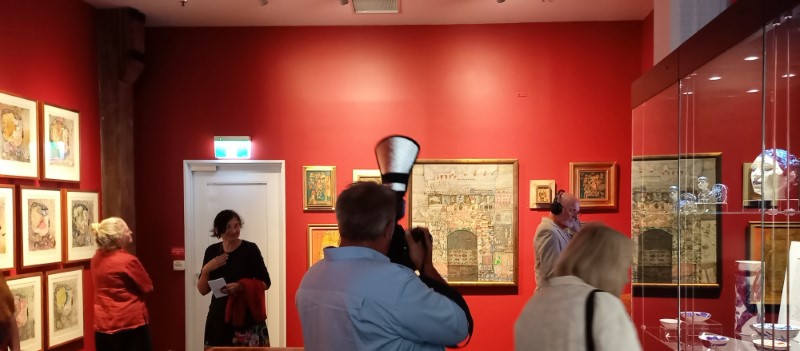
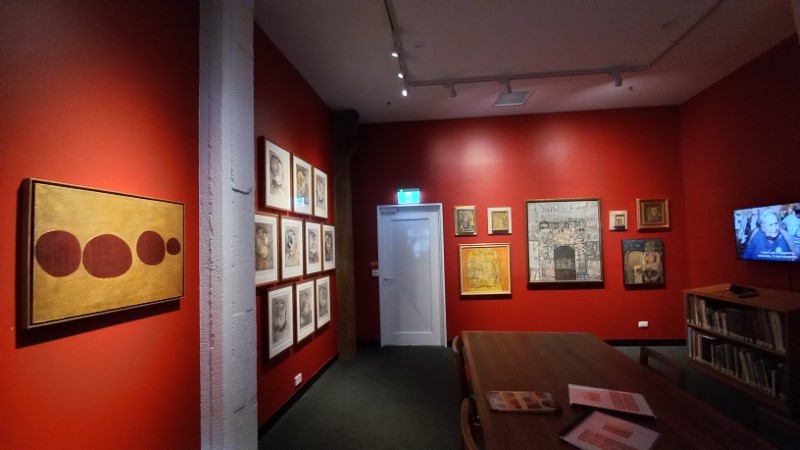
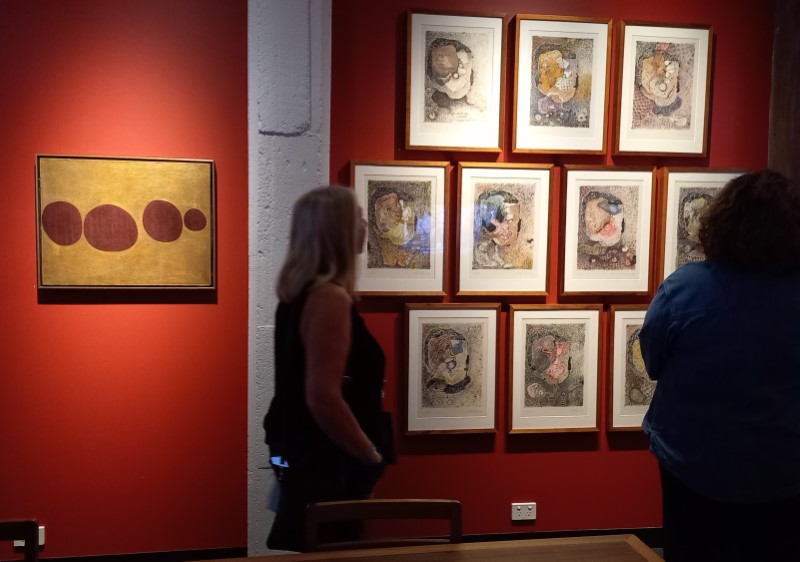
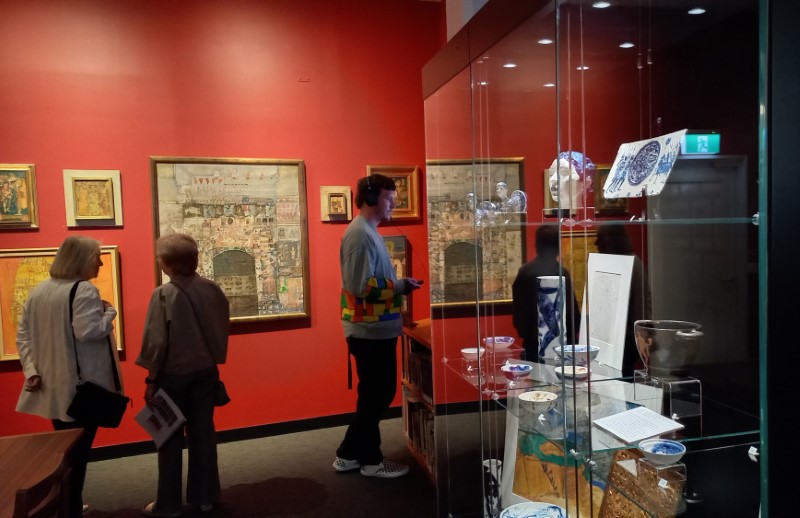
On Thursday, 27 February 2025, the Tyler Gallery of the University of Tasmania in Hobart, Australia, hosted the opening of the exhibition 4 Women / 4 Pathways, curated by our colleague, art historian Dr. Eduard Andrei, researcher at the G. Oprescu Institute of Art History, and artist and writer Alina Gherasim, as winners of the Tyler Visiting Fellowship.
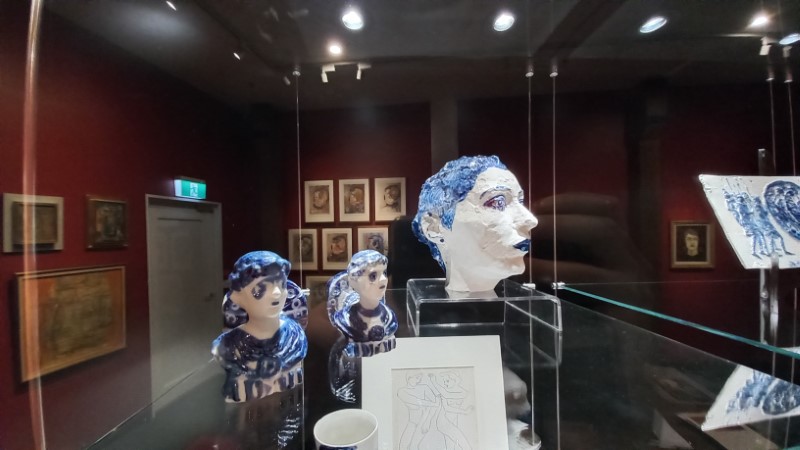
The exhibition completed the two fellows’ project, started in 2024, The woman artist in the communist regime in Romania, represented in the Tyler Collection, bringing together works created by four artists: Geta Brătescu (1926-2018), Sultana Maitec (1928-2016), Georgeta Năpăruș (1930-1997), and Silvia Radu (b. 1935).
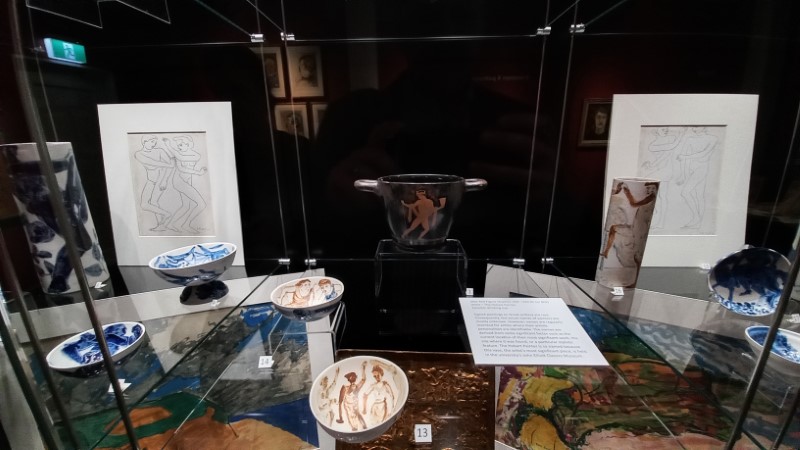
In addition to their works – paintings, sculptures, ceramics and graphic art – posters and catalogs of personal exhibitions, monographs, correspondence pages, photographs with portraits of the artists were exhibited, for contextualization and documentary purposes, as well as objects intended to highlight certain sources of inspiration in their work: an old Romanian scarf made of borangic (kind of silk), for the influence of folk art, and a skyphos (drinking cup) dating from the 5th century BC – a masterpiece from the John Elliott Classics Museum collection, loaned especially for the exhibition –, for the influence of ancient Greek art.
Also, within the exhibition, the filmed interview that Eduard Andrei and Alina Gherasim conducted in 2024 with Silvia Radu, the only one alive among the four women artists, is presented on a monitor.
The exhibition is accompanied by an elegant brochure containing some of the images of the exhibited works and the introductory text signed by the two curators.
This exhibition will run until 24 October 2025.
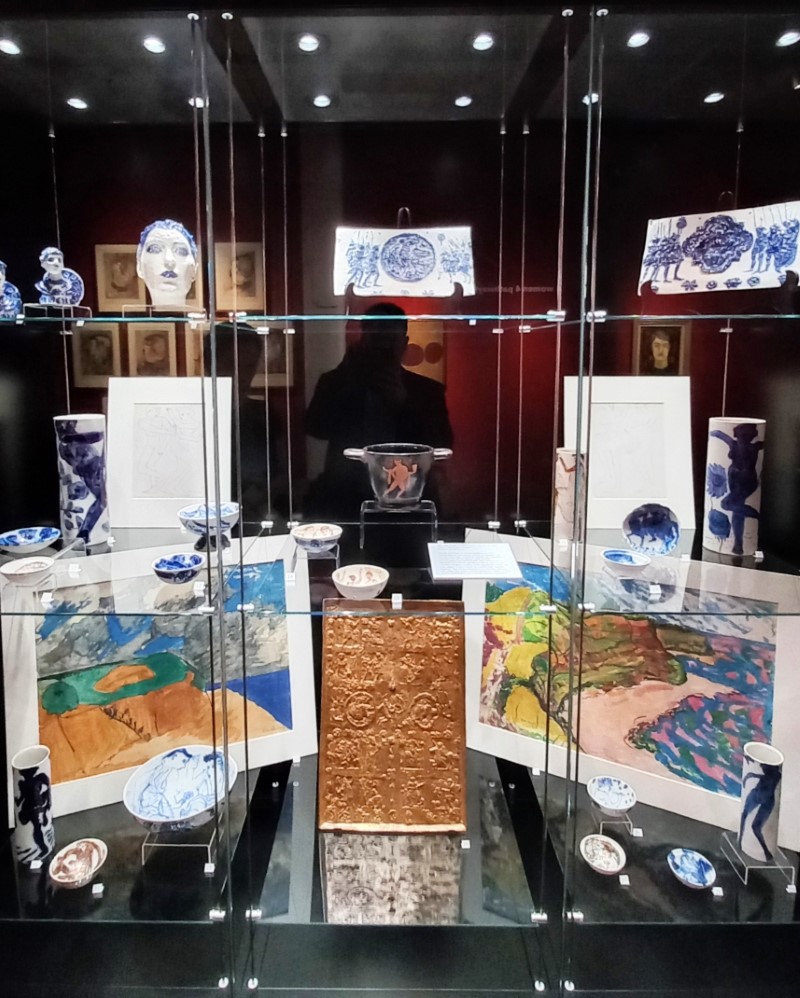
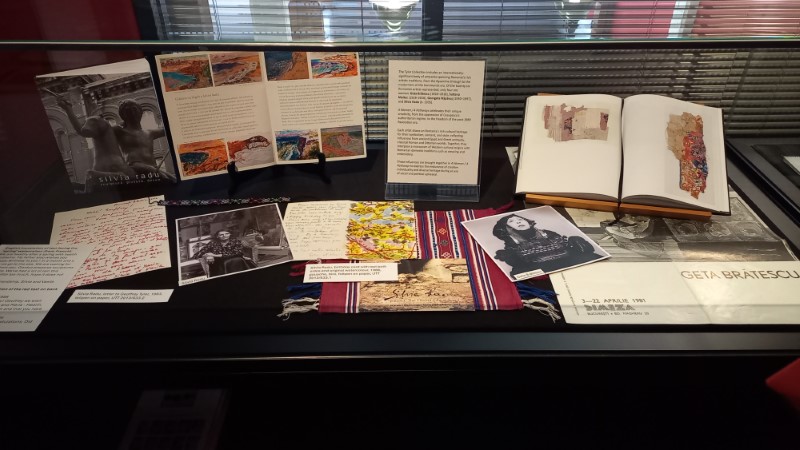
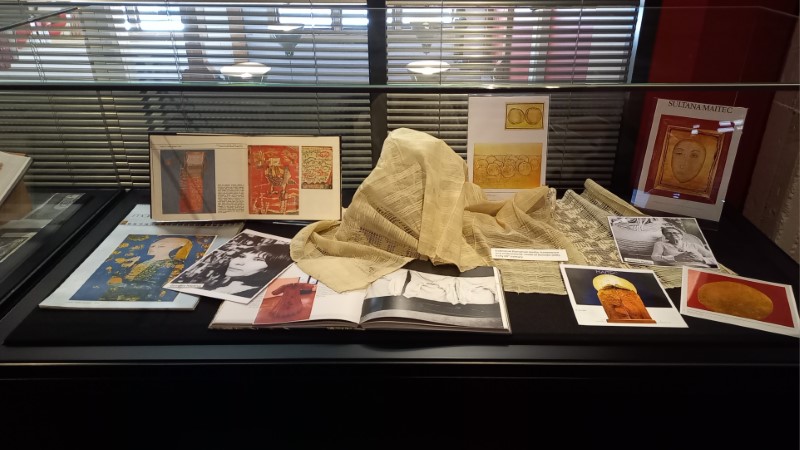
Cristina Cojocaru and Elisabeta Negrău, members of the Department for Medieval Art and Architecture at the G. Oprescu Institute of Art History, participated in the International Conference Art Readings – Old Art Module, which took place from 3 to 5 April 2025, at the Institute of Art History of the Bulgarian Academy of Sciences in Sofia. This conference represents the most important annual international event in the Balkan region dedicated to medieval to early modern art.
The theme of this year’s conference was Art and Archives and the presentations have addressed, in particular but not exclusively, the following topics: recent research on art based on archival data or broader studies and theoretical issues stemming from archival information; exploration of the history of collections—institutional and private—that preserve art objects or documents related to various artifacts; studies concerning the development of the history of visual arts as an academic discipline—institutions, individuals, politics, normative frameworks, and regional specificities; and scientific issues related to the digitization of artifacts.
During the conference, dr. Cristina Cojocaru presented a paper titled Reconstructing the Iconographic Program of the Văcărești Monastery through Photographic Archives, while dr. Elisabeta Negrău delivered a presentation titled A Source for Post-Byzantine Art History: Letters to the Patriarch and Tsar of Russia Regarding Church Paintings (1628–1655).
Wednesday meetings
Beginning with September 2011, the G. Oprescu Institute hosts monthly meetings where researchers share with their colleagues various novelties in the field of fine arts, theatre, music or film history.
IAH kinema
The project "IAH kinema" started in February 2017. Films of documentary and artistic value, less known to the Romanian public, will be projected occasionally for researchers interested in the history of cinema.
Venue: G. Oprescu Institute of Art History, 196 Calea Victoriei.
